
BYCAM – Bycatch Assessment and Mitigation in the Western Indian Ocean
Western Indian Ocean Marine Science Association (WIOMSA), Marine Science for Management (MASMA) programme | 2014–2018
Understanding the impacts of fisheries on marine wildlife
Small-scale fisheries provide food, employment and income for hundreds of thousands of people across the Western Indian Ocean. However, relatively little was known about their impacts on vulnerable marine species, particularly sharks, rays, dolphins, dugongs and sea turtles.
These species are particularly susceptible to fishing pressure because many grow slowly, mature late and produce relatively few offspring. Accidental capture in fishing gear, alongside deliberate exploitation, can threaten already vulnerable populations.
BYCAM was established to address these knowledge gaps by bringing together marine biologists, fisheries scientists, social scientists, government agencies and conservation organisations from across the region.
The project sought to establish reliable estimates of marine megafauna catches, identify the fishing practices posing the greatest risks, develop practical approaches to reducing unwanted catches, and inform fisheries management policies that balance biodiversity conservation with coastal livelihoods.
C3 Madagascar participated as a research partner in this international scientific consortium, contributing to a collaborative programme of field research and fisheries assessment.
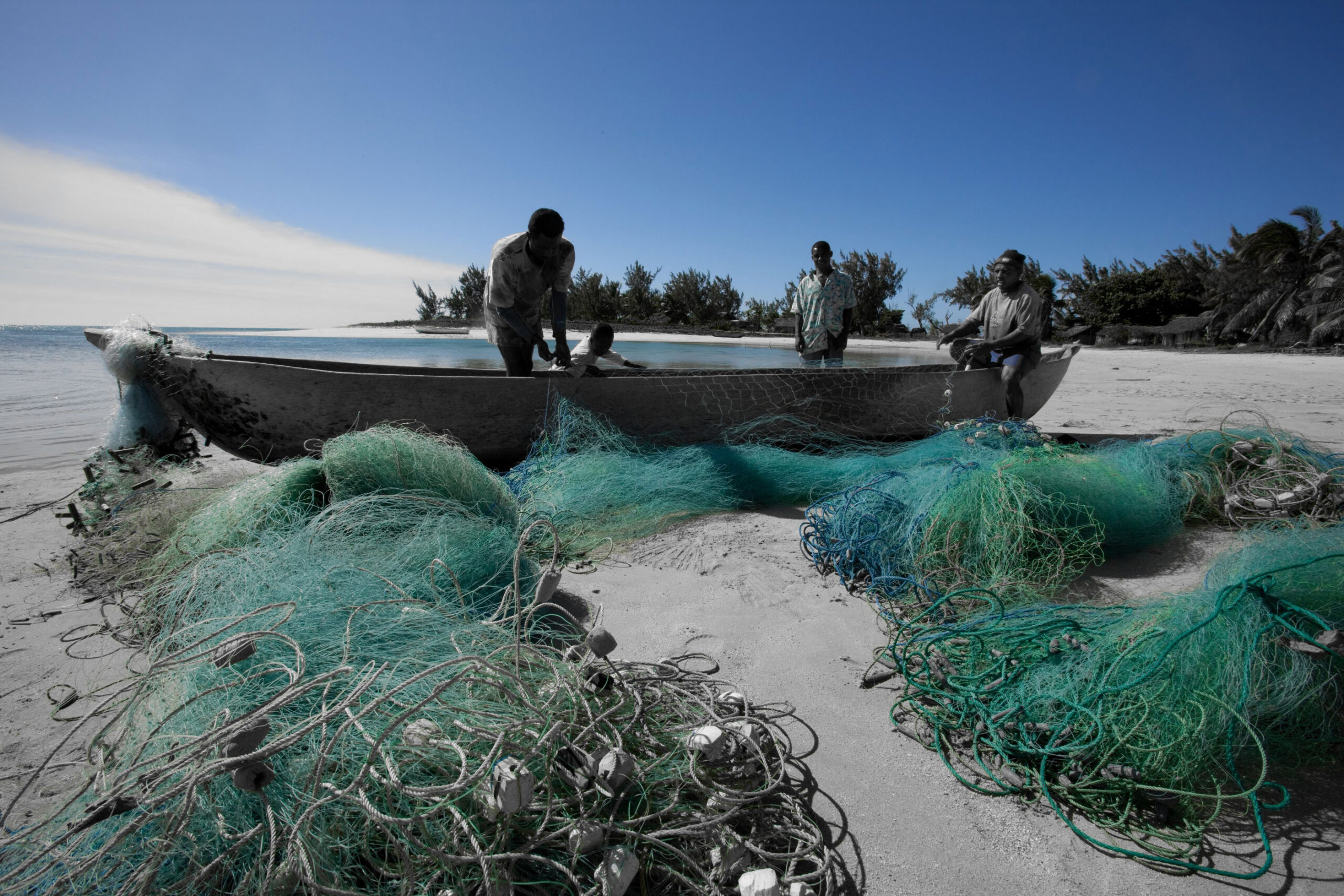
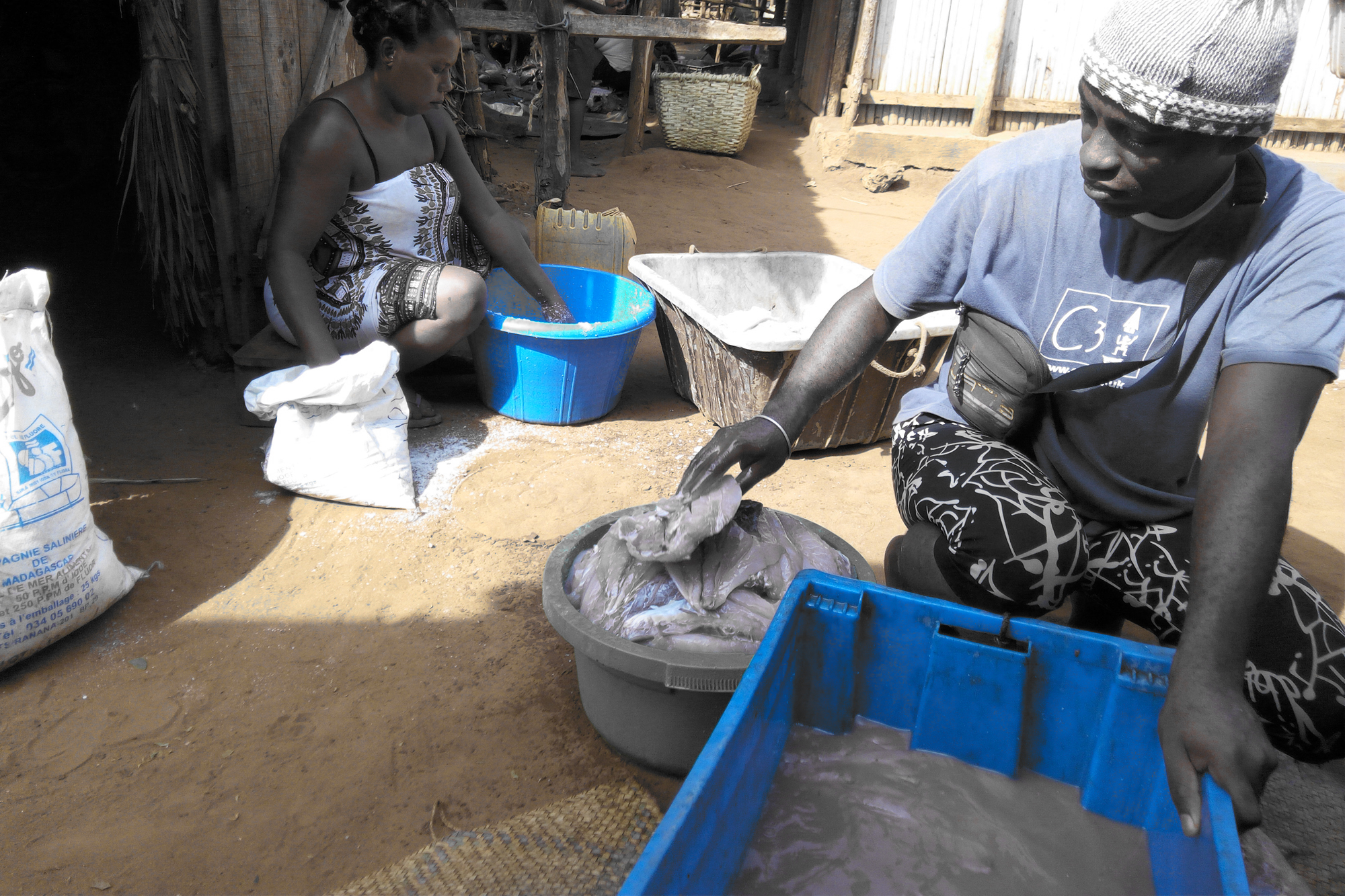
In northern Madagascar, the project included monitoring at five artisanal fisheries landing sites, gathering information on fishing activity, catch composition and interactions with vulnerable marine wildlife.
The wider research programme used a combination of direct fisheries observations, interviews with fishers, socioeconomic assessments and analysis of fisheries governance.
By integrating field observations with local fisheries knowledge, the research provided insights into species exploitation and the challenges involved in monitoring fisheries in remote, data-poor coastal regions.
C3 also contributed to the programme’s scientific outputs, including co-authorship of peer-reviewed publications examining marine megafauna interactions with small-scale fisheries.
Activities
Between June 2016 and June 2017, trained observers monitored fisheries landings across 21 sites in Kenya, Zanzibar and northern Madagascar.
The research covered several fishing methods, including drift gillnets, bottom-set gillnets, longlines and handlines. Researchers recorded species identification, catch measurements, fishing gear and fishing effort, producing one of the most comprehensive independent assessments of marine megafauna catches in the region.
The project also evaluated experimental bycatch reduction technologies, including low-cost acoustic devices constructed from recycled bottles, alternative fishing hooks and turtle excluder devices used in prawn trawl fisheries.
Alongside the biological research, BYCAM examined fisheries governance and the socioeconomic factors influencing fishing practices. National stakeholder workshops, including one in Madagascar in 2018, explored opportunities to improve fisheries policies, strengthen stakeholder participation and support more effective management.
Key Results
The project generated important new scientific evidence about the scale and composition of marine megafauna catches in the southwestern Indian Ocean.
21 fisheries landing sites monitored across three study areas, including five in northern Madagascar.
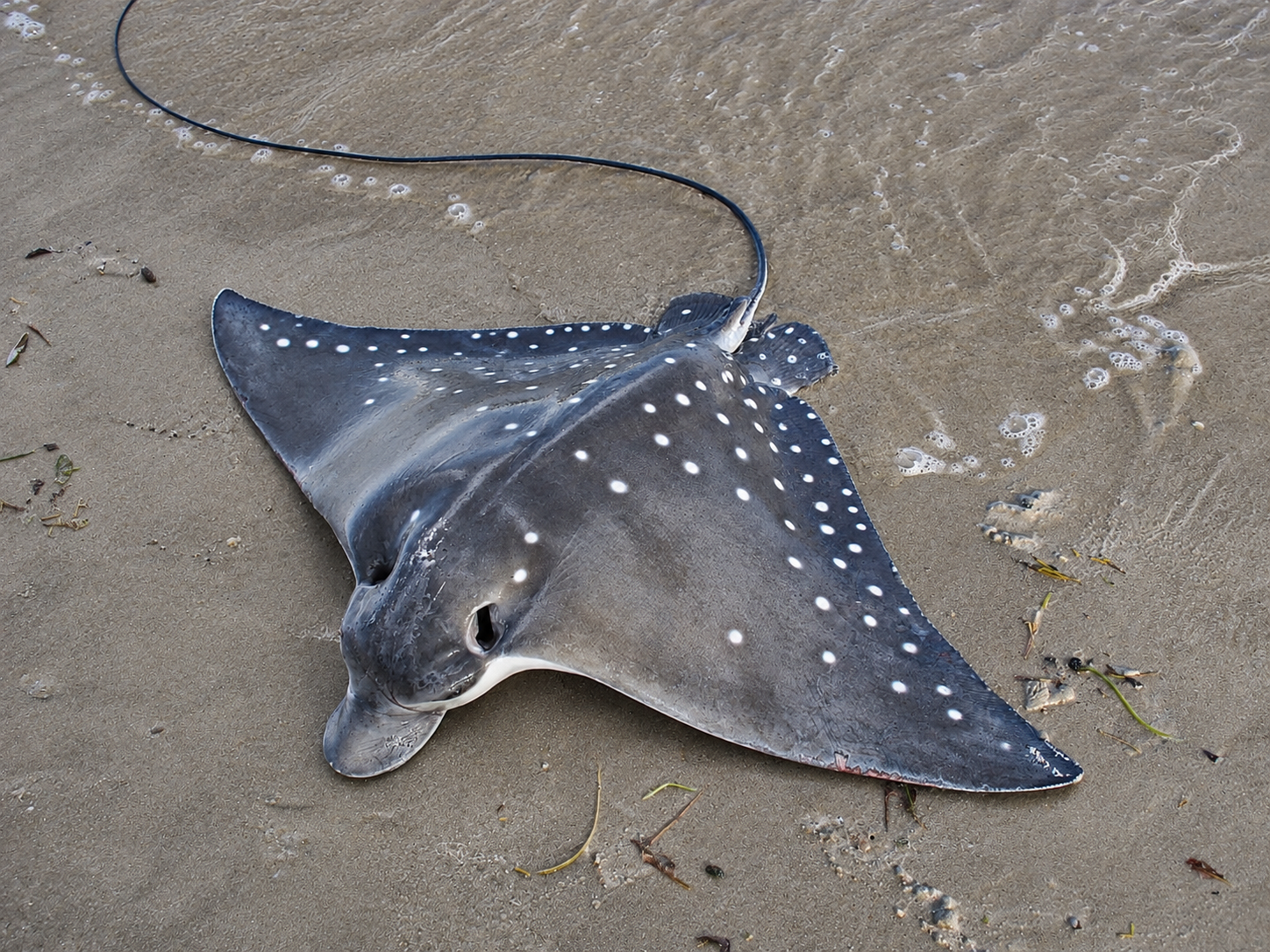
4,666 marine megafauna landings recorded, covering 59 species, including sharks, rays, sea turtles, small cetaceans and dugongs.
35,445 tonnes of annual shark and ray landings estimated across the study region, approximately 73% higher than the officially reported figure for 2016.
Priority fishing gear threats identified, including gillnets affecting marine mammals, turtles and rays, and longlines affecting sharks.
The findings demonstrated that official fisheries statistics substantially underestimated catches of vulnerable sharks and rays. This raised concerns about the sustainability of exploitation and the potential consequences for both marine ecosystems and fishing-dependent communities.
The research also showed that interview-based fisheries assessments and direct landing observations did not always produce comparable estimates. This highlighted the value of combining multiple monitoring approaches rather than relying on a single source of information.
Trials of low-cost bycatch mitigation technologies generated promising approaches for further investigation, although additional testing was required to determine their effectiveness in reducing marine mammal captures.
Lasting Impact
An important contribution of BYCAM was its recognition that effective marine conservation requires more than technical solutions.
Fishers depend on marine resources for their livelihoods, and management measures that fail to consider social and economic realities can be difficult to implement and sustain.
The project therefore integrated biological research with social science and governance assessments, highlighting the importance of local participation, effective institutions, appropriate regulations and practical, affordable mitigation measures.
In Madagascar, fisheries policy discussions emphasised the need for improved coordination between resource users, fisheries managers and enforcement agencies, together with greater involvement of local communities in management decisions.
BYCAM generated scientific publications, postgraduate research, technical assessments and policy recommendations, strengthening the evidence base for marine conservation across the Western Indian Ocean.
Two significant peer-reviewed publications involving C3 were:
Marine megafauna interactions with small-scale fisheries in the southwestern Indian Ocean: a review of status and challenges for research and management.
Temple et al. (2018), Reviews in Fish Biology and Fisheries, 28, 89–115.
Marine megafauna catch in southwestern Indian Ocean small-scale fisheries from landings data.
Temple et al. (2019), Biological Conservation, 230, 113–121.
The research provided a stronger scientific basis for identifying species at risk, improving catch monitoring, evaluating mitigation measures and developing evidence-based fisheries management.
For C3 Madagascar, participation in BYCAM complemented its long-standing work with fishing communities and the conservation of threatened marine species, contributing knowledge and experience relevant to subsequent sustainable fisheries and marine biodiversity programmes.
Project partners and reports
BYCAM was funded through WIOMSA’s MASMA programme and led by the Kenya Marine and Fisheries Research Institute, with contributions from an international consortium of research and conservation organisations.
Participating institutions included Newcastle University, Florida International University, the Oceanographic Research Institute in South Africa, fisheries research institutions in East Africa and Community Centred Conservation (C3 Madagascar).
Further reading
BYCAM project overview – WIOMSA
Marine megafauna catch – Biological Conservation (2019)
Marine megafauna interactions – Reviews in Fish Biology and Fisheries (2018)
Contact
C3 MadagascarLot II Y 30Bis ABA Andrefan'Antanimora,Antananarivo 101, Madagascar
C3 Madagascar (CONSERVATION CENTREE SUR LA COMMUNAUTE C3 MADAGASCAR), in accordance with Article No. 5 of Ordinance No. 60133, is registered as a non-profit organization in Madagascar under the Direction of the Territorial Administration of Antananarivo with Registration No. 1206/14-MID/SG/DGAT/DIRAT/ANT/ASS.